
Save Money
Tax Tips Everyone Should Know (But Most People Don’t)

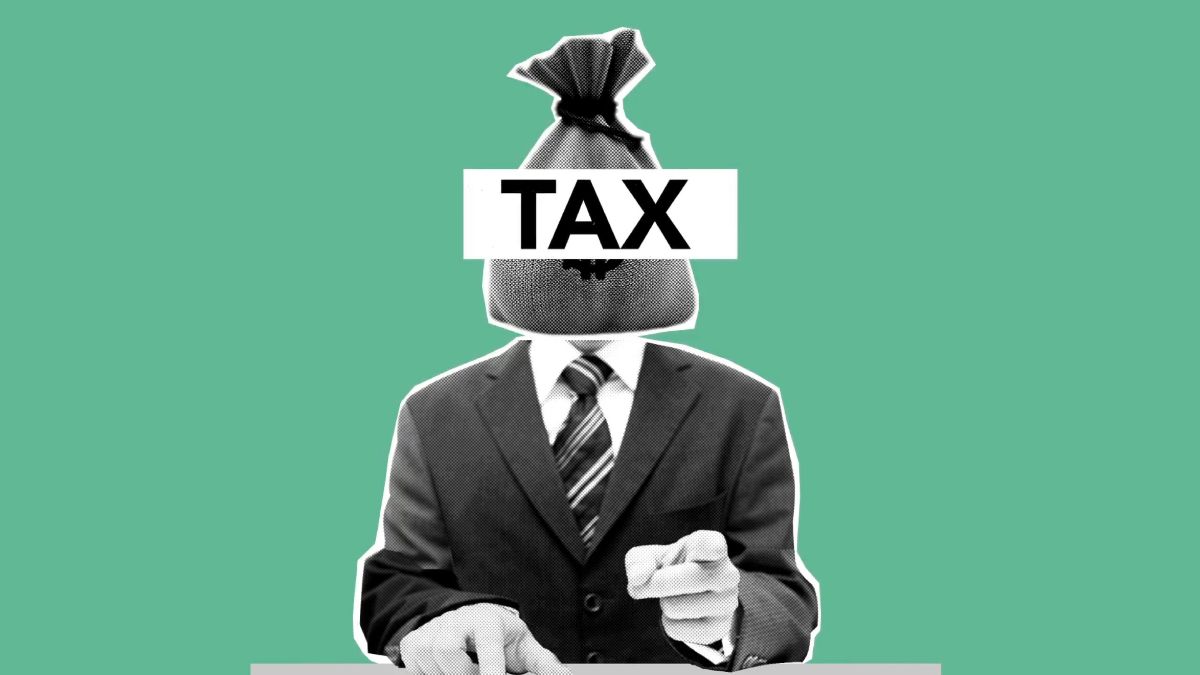
You might think that taxes are something you deal with once a year, but they shape your money all year long. The difference between people who feel stressed at tax time and people who feel confident? Knowing the rules before the deadline hits.
Whether you’re a W-2 employee, freelancer, creator, side hustler, or business owner, these tax tips can save you money, stress, and regret. Let’s make taxes work for you! Not against you.
1. Your Paycheck Isn’t Your Real Income
Your salary isn’t what you actually take home, and it’s not what matters most for taxes.
Here’s what does:
- Gross income = what you earn
- Taxable income = what gets taxed
- Net income = what you keep
Deductions, pre-tax benefits, retirement contributions, and credits all change your taxable income, which changes your tax bill. So it’s best to always think in terms of “taxable income,” not salary.
2. Adjusting Your Withholding = Bigger Paychecks or Bigger Refunds
If you get a huge refund every year, you’re probably over-withholding. And if you owe a lot, you’re under-withholding. Neither is “bad,” but both ways can affect your cash flow.
Update your W-4 so your money works for you throughout the year, not just at tax time.
3. Not All Income is Taxed the Same
Different types of incomes means different tax treatments.
Here are some examples:
- W-2 income = payroll + income tax
- Freelance income = income tax + self-employment tax
- Long-term investments = capital gains tax
- Tips, bonuses, commissions = still taxable
- Interest and dividends = taxable income
Understand what kind of income you’re earning since it affects how much you owe.
4. Tax Deductions Reduce Income. Tax Credits Reduce Taxes.
Important to know!
- Deductions lower your taxable income
- Credits lower your actual tax bill
For example, a $1K deduction doesn’t mean $1K saved, but a $1K credit does.
When available, always prioritize credits over deductions.
5. Retirement Accounts are a Great Tax Hack
Tax-advantaged accounts are legal tax reduction tools.
Examples:
- 401(k) / Solo 401(k) lowers taxable income
- Traditional IRA has potential deduction
- Roth IRA gives tax-free growth
- HSA is a triple tax advantage (deductible in, tax-free growth, and tax-free medical use)
When you’re retirement planning, you’re also tax planning to your benefit.
6. You Don’t Need Payroll to Get Tax Benefits
No employer benefits? That’s not a problem.
You can still:
- Contribute to an IRA
- Open a Solo 401(k)
- Fund an HSA (if your insurance allows)
- Deduct business expenses
- Make estimated tax payments
- Create your own tax strategy
Don’t rely on employers for financial structure if you want to work on your own.
7. Freelancers & Side Hustlers are a Business (Tax-Wise)
If you earn money outside of a W-2 job, you’re running a business in the eyes of the IRS.
That means:
- Quarterly estimated taxes
- Business deductions
- Self-employment tax
- Separate income tracking
- Separate expense tracking
So it’s best to treat your side hustle like a business, and not a hobby.
8. Tracking Expenses Can Lower Taxes
If you don’t track it, you can’t deduct it. Here are some commonly missed deductions:
- Software subscriptions
- Home office
- Internet + phone (business portion)
- Education + courses
- Equipment
- Mileage
- Professional services
- Marketing + branding
- Platform fees
Start tracking everything as it happens, and not just waiting until March.
9. Cash Flow Matters More Than Refunds
A big refund at tax time can feel good, but good cash flow is better. Overpaying taxes all year just to get a refund is an interest-free loan to the government. Assess your withholdings and build a strategy for steady cash flow, not just refunds.
10. Tax Planning is Year-Round
Most people think about taxes once a year, but wealthy people think about taxes all year. Real tax strategy happens in January, March, June, September, and December. Proactive tax planning will beat last-minute and reactive tax filing.
11. When Your Life Changes, Your Taxes Will Too
Major life events will affect taxes:
- Marriage
- Kids
- Buying a home
- Starting a business
- Job changes
- Income changes
- Moving states
The move is to update your tax strategy when your life changes.
12. Simple Systems Can Beat Complex Knowledge
You don’t need to understand the entire tax code, but you should have simple systems in place to make it easier. Income tracking, expense tracking, savings system, contribution system, and how you file everything. When needed, get that professional support!
The Money Move
Taxes can feel like a punishment, but it’s just a system. And it’s a system that can be learned, optimized, and leveraged. The goal isn’t to “avoid taxes” but to pay the least legally required while still building your own wealth.
You don’t always need a tax professional, but if you have freelance income, investments, a business, or multiple income streams, it’s worth it to have one. Also, it’s not bad to owe taxes if you planned for it. Owing without planning is the problem.
Good luck and start tax planning anytime of the year!
Read more:
Maximize Your Refund: Smart Tax Deductions for Creators
