
Lifestyle
This is the Average Age of a First-Time Home Buyer Now

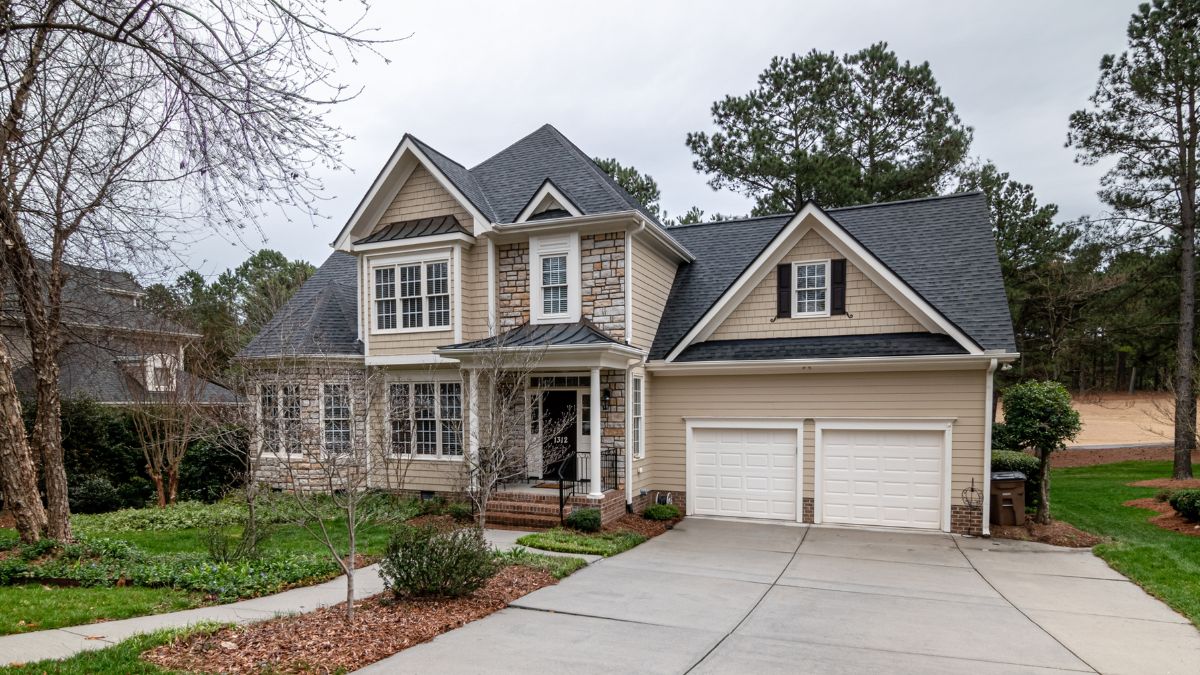
Dreaming about homeownership? For some, it’ll most likely take longer to get there. That’s because the average age of first-time home buyers in the U.S. has been climbing steadily over the past decade.
Here’s what the data shows, why it’s trending this way, and what it means for younger generations trying to get into the housing market.
What’s the Current Average Age of a First-Time Home Buyer?
According to the most recent National Association of Realtors (NAR) data, the median age of first-time home buyers in 2025 reached a record high of 40 years old. That means for the first time ever, the typical person buying their first home is hitting age 40 before unlocking that homeownership dream.
It’s a big change from what most of us grew up hearing, that “you buy your first in your late 20s or early 30s.”
Average vs Median Age: What’s the Difference?
During the holidays, spending is emotional as it’s about tradition, generosity, and yea You’ll often see headlines talk about the average age of a first-time home buyer (like this one!), but most industry data, including figures from the National Association of Realtors, actually uses median age.
The difference:
- Average age adds up everyone’s age and divides by the total number of buyers. This number can get skewed higher if a small group of much older buyers is included.
- Median age is the middle point. Half of first-time buyers are younger than this age, and half are older.
The median age provides a more accurate picture of when most people buy their first home, without being skewed by extreme outliers. However, it’s often easier to refer to it as the “average” age when it’s actually the “median” age.
How This Compares to the Past
Here’s how the average age of first-time buyers has changed over recent decades:
1980s: First-time buyers were typically in their late 20s, around age 29
Early 2000s: Commonly in the low 30s for many buyers
2021: About 33 years old
2024: Average/median age spiked to 38
2025: Spiked to a record 40 years old
So over roughly 40 years, the average first-time buyer has gotten about a decade older, reflecting big changes in affordability, lifestyle, and financial barriers.
Why is the Average Age Rising?
These real-world forces have pushed the average age of first-time home buyer higher:
1. Housing prices have soared
Homes cost a lot more today than a decade ago. Higher prices mean bigger down payments and bigger mortgage debt, which slows down the timeline for many buyers
2. Mortgage rates are higher
Rates have stayed high compared with the ultra-low rates earlier in the decade, which makes monthly payments significantly more expensive. Even modest drops in rates for 2026 might not be enough to change the overall trend.
3. Affordability challenges
Rent is high, student loans steamroll on, and wages for many young adults haven’t kept pace with the cost of living. That combo makes saving for a home take longer.
4. Fewer first-time buyers in the market
The share of first-time buyers dropped to a historic low, around 21% of all home purchases, the lowest since tracking began.*
What This Means for 2026 and Beyond
Experts expect some slight relief in 2026:
- Mortgage rates may go down a bit, averaging around the low 6% range, making payments a little more manageable
- Inventory may loosen up, and home sales could increase, driven by long-term demand
But it doesn’t mean the age trend will magically reverse. Saving for a down payment and securing a mortgage remain challenges for many millennials and Gen Z buyers.
2026 might just see more of the same: older first-timers continuing to overtake the purchasing landscape, and younger buyers needing longer financial planning to get ahead earlier.
What This Means for Millennials & Gen Z
No need to panic or feel left behind. The average age trend just means:
You’re not late, but in the normal range.
Buying a first home in your mid to late 30s is now typical.
Preparation matters more
Saving for a down payment, understanding credit, and reducing debt are key to buying.
Planning will offset pressure
Whether you buy at 30, 35, 40, or even older, knowing your numbers will give you options and keep you in control of your timeline.
And for some, the “American Dream” of homeownership didn’t disappear; it just looks different now than it did before.
Think about whether you truly want a home, or if you were just brought up thinking you needed one to check off the list of adulting. Some Millennials and Gen Zers calculate that renting makes more sense for them now, given costs and flexibility. Some are investing the money they’re saving now, rather than locking it into a home with hidden costs. Everyone’s situation is unique, so take some time to think about yours.
FAQs
1. What does “average age of first-time home buyer” mean?
It refers to the median age, the middle age, of people buying their first home in a given period. This gives a realistic snapshot of when most people are buying for the first time.
2. Why do people buy later now?
Higher home prices, mortgage rates, student loans, and longer timelines for saving all contribute to delayed home ownership.
3. Is buying earlier better?
Not necessarily. What matters more is financial readiness (stable income, good credit, manageable debt), and what makes sense for YOUR situation, not age.
4. Does age vary by region?
Yes, in more affordable areas, first-time buyers tend to be younger than in the expensive coastal or metropolitan areas.
Read more:
Smart Money Moves for Stay-at-Home Parents: Build Wealth Without Leaving the House
TesterUp Review: Earn Real Money Testing Online
